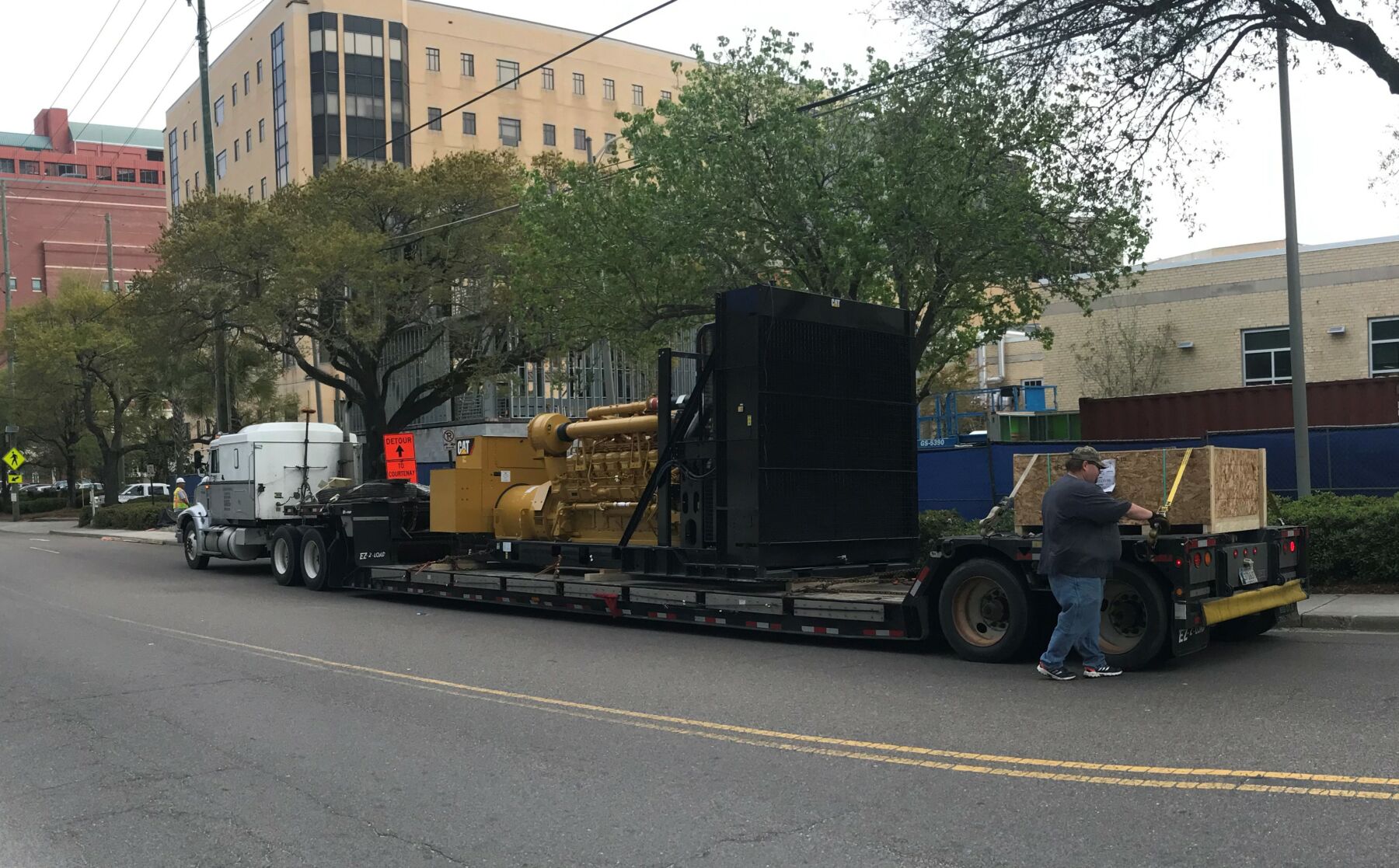

We understand that having a consistent, uninterrupted power supply is crucial in supporting your essential business and facility functions. We provide the turnkey installation of generators and transformers in order to keep your power going and to reduce the impact of unscheduled outages. Whether it’s installing a UPS system, replacing an outdated generator, installing a paralleling switchgear to bring new generators on line, or simply adding additional ATS switches to protect a new critical load– we are here to help!
Benefits of Emergency Power






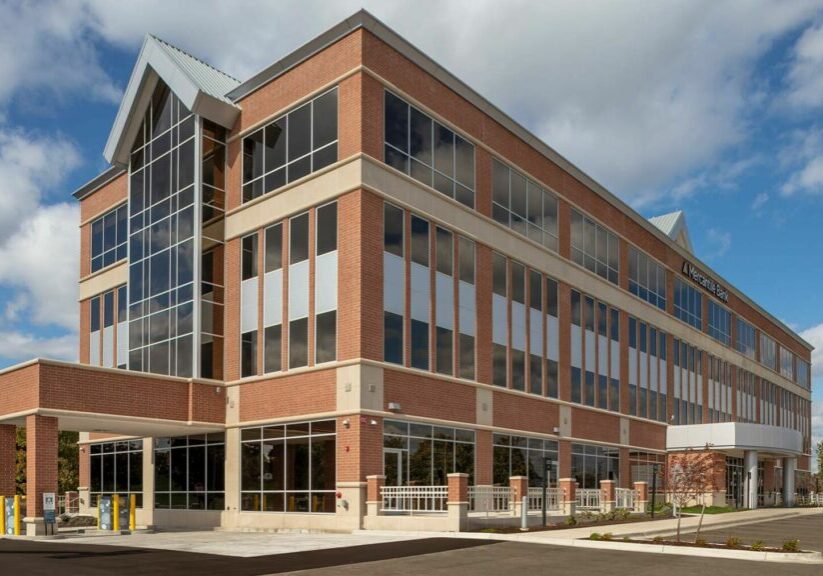
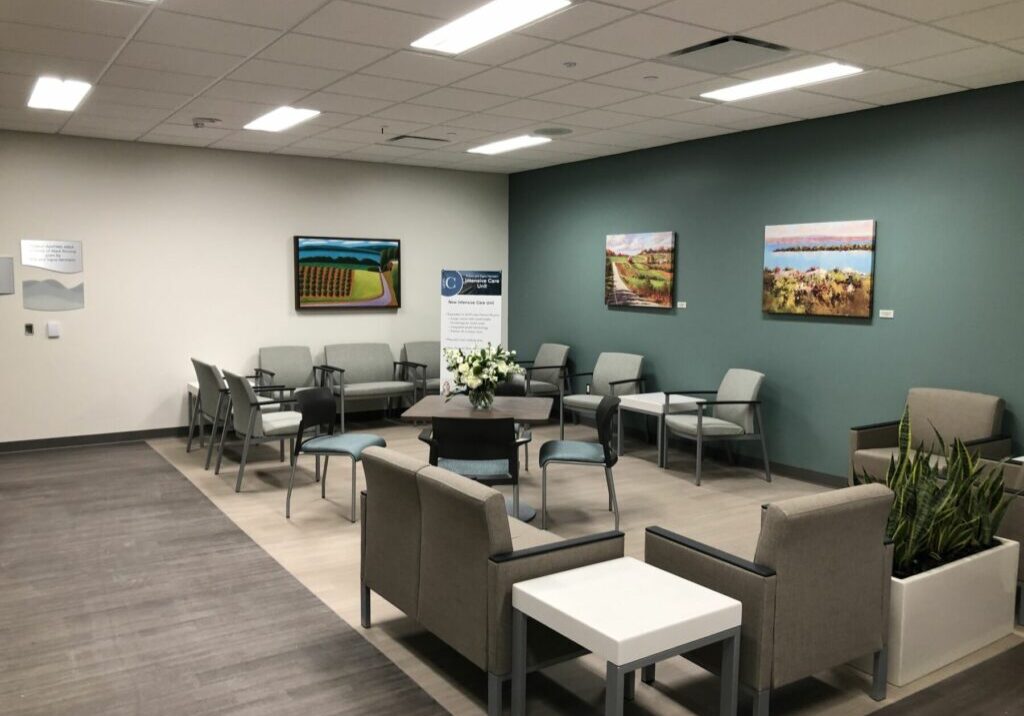
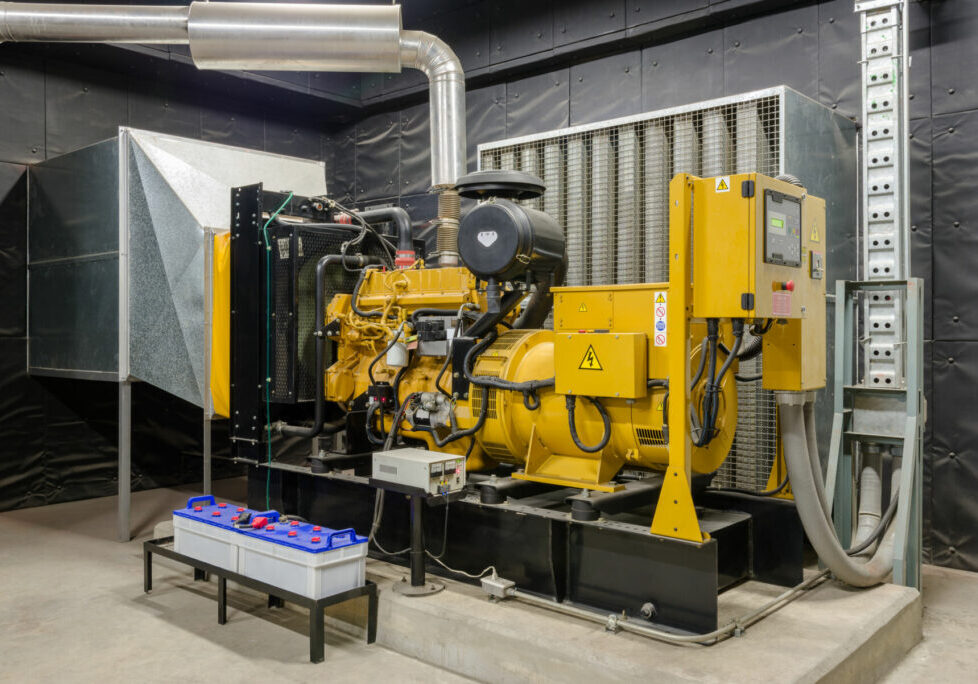
Emergency power can support the following functions:
As a note, anything that protects the lives of facility occupants should be on emergency power.
- Building Automation System (BAS)
- Communication closet, computer, and UPS air conditioning systems
- Egress and exit lighting
- Elevators
- Emergency power receptacles
- Exhaust fans
- Fire alarm system
- Fire and security control power and lighting
- Fire pump
- Generator auxiliaries
- Horizontal sliding doors
- Life safety systems
- Lighting for main electrical room, electrical closets, and communications closets
- Mechanical control systems
- Security systems
- Sewage ejector pumps
- Smoke control systems
- Sump pumps
Services We Offer
Installation, Programming, and Maintenance of:
- UPS
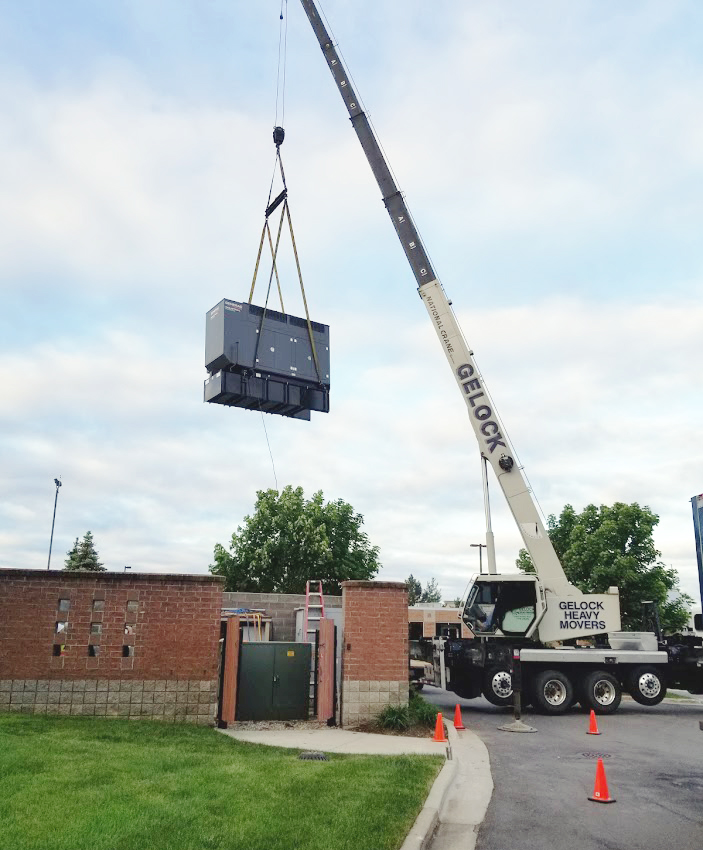
- Generators (experience with generators ranging from 22KW to a 1.5M)
- On-call services
- Emergency lighting
- Spring storm systems
- Load bank testing
- Transfer switches
- Power quality study
- Annual preventative maintenance contract
- Gensets
- Quick connects for temporary power plug-in
Different Types of Emergency Power
Level 1 or Critical Life Safety Systems - NEC Article 700
These systems are legally required for critical facilities and include systems that are essential for the safety of human life. These systems are especially evident in the healthcare industry as equipment must be powered to maintain and support human life. It is mandated that power must be available within 10 seconds of an outage to these systems. Examples include fire alarms, exit and directional signage, emergency voice and alarm systems, automatic egress doors, etc.
Level 2 or Less Critical Systems - NEC Article 701
These systems are required by codes to light or power equipment whose failure could create hazards, hinder rescue, or hamper firefighting operations. Power must be available for these systems within 60 seconds of an outage. Examples include hospital communication systems, ventilation and smoke removal systems, sewage disposal, fire pumps, elevators, etc.
NEC Article 702
This includes equipment or systems that the business itself deems business-critical. Depending on the business's tolerance for downtime, they may choose to voluntarily apply stringent emergency and legally required standards. The systems that are included as optional standby differ for every facility and depend on what is most critical for business continuity and operations. The overall scope and power requirements of optional standby systems greatly affect the generator size. If the standby generator is overloaded in the case of an outage, the optional standby systems are the first to get disconnected.
NEC Article 708 - added in 2008 in response to the 9/11 terrorist attacks and the Hurricane Katrina disaster
These systems are required in facilities that, if destroyed or incapacitated, can disrupt national security, the economy, public health, or safety. Government agencies can designate any facility as a “designated critical operations area" which requires them to comply with more stringent codes. Examples include police stations, fire stations, emergency call centers, telecommunication carriers, data centers, and other critical infrastructure.